
Trafft is the cheapest of the three for any team of three or more. A salon with ten people on the books pays $39.99 a month on Trafft, $83.99 on Vagaro and $149.50 on Fresha, subscription only. A solo stylist who doesn't need online deposits pays $0 on Trafft's free plan. The three bill in […]
Plenty of companies paying for Microsoft 365 already own an appointment scheduler and have never opened it. That's usually how the Calendly vs Microsoft Bookings question comes up. Someone is about to put a Calendly seat on the company card, and someone in IT asks why, since Bookings is already sitting in the tenant. Both […]
In 2016 the UK government published a randomised hospital trial on GOV.UK. One version of the reminder text stated the exact cost of a missed appointment, and it cut missed appointments by 23% compared with the standard reminder. That's the case for caring about wording. Clinics, salons, therapists and consultants mostly send these messages from […]
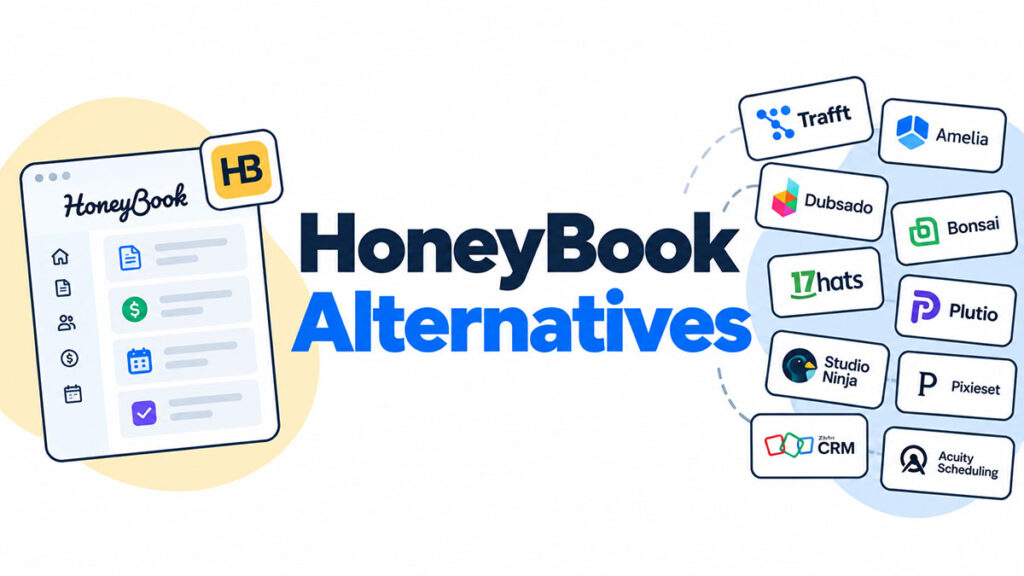
Few people leave HoneyBook because the whole product fails them. It's usually one piece, like automations behind a paywall or card fees that add up, that tips the decision. Trafft, Amelia, Dubsado, Bonsai, 17hats, Plutio, Studio Ninja, Pixieset Studio Manager, Zoho CRM and Acuity Scheduling each take over a different chunk of it, which is […]
Somewhere between 8% and 20% net margin. That's what most independently owned shops keep once everything is paid, and if you're just here for a number, that's the honest range for whether barbershops are profitable. What's left after barber payouts, rent, supplies and card processing, that's the figure that actually tells you whether a shop […]
Barbershop marketing strategies are the local acquisition and retention tactics that keep a fixed number of chairs booked with clients who return every six to eight weeks. They apply to single-location shops and small chains, where chair count and drive time set a hard ceiling that broad advertising cannot lift. Clients book with the same […]
How much do barbers make is a question that resolves to a pay range set by chair occupancy, pay model, and location rather than one fixed number. The figure changes by pay model: an employee draws a wage plus commission and tips, while a booth renter keeps the full ticket and pays rent, product, and […]
Most people planning a barbershop think about the chairs, the name and how the place will look. The paperwork has to come first, though. In most states you can't get a shop license until the space is built and has passed inspection, so the license decides your timeline. Barbering is licensed on its own track, […]
Most owners land on a name they love in about ten minutes, then spend the next two weeks finding out someone else already has it. That's normal now. Verisign reported 386.9 million domain registrations across all top-level domains at the end of Q4 2025, with .com and .net holding 173.5 million of them. Whatever short, […]
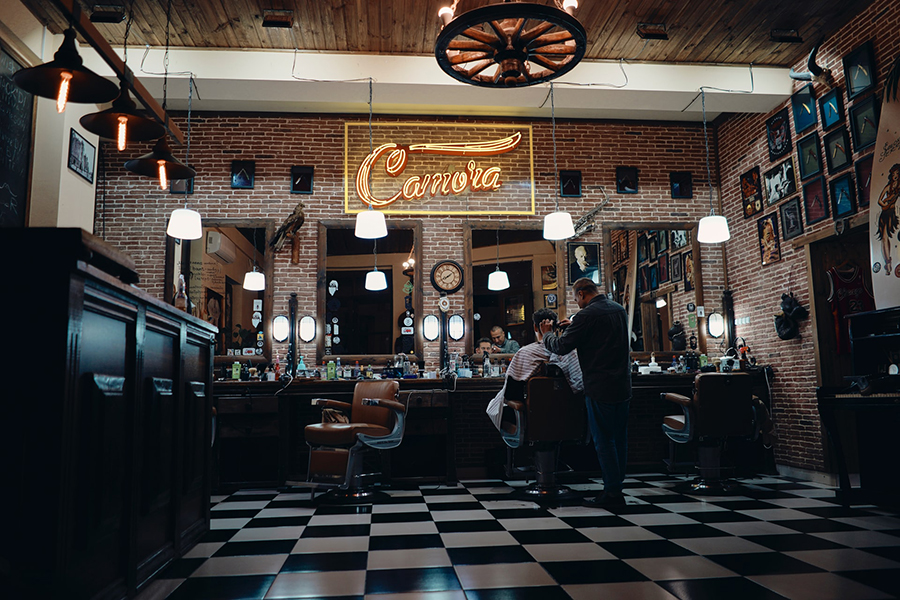
Barbershop design ideas are the layout, material, and fixture decisions that turn a bare commercial space into a functioning barbershop built around barber-specific equipment and workflow. Independent barbers, regional chains, and men's grooming brands apply these decisions to spaces that typically run two to eight chairs, weighing each choice against square footage, local licensing codes, […]
Barbershop logo ideas are a collection of logo design concepts that apply barbershop-specific iconography, such as the barber pole, razor, and scissors, instead of generic business symbols. Individual shop owners, chains, and mobile barbers all rely on this visual shorthand to signal trade and trust before a customer ever sits in the chair. More than […]
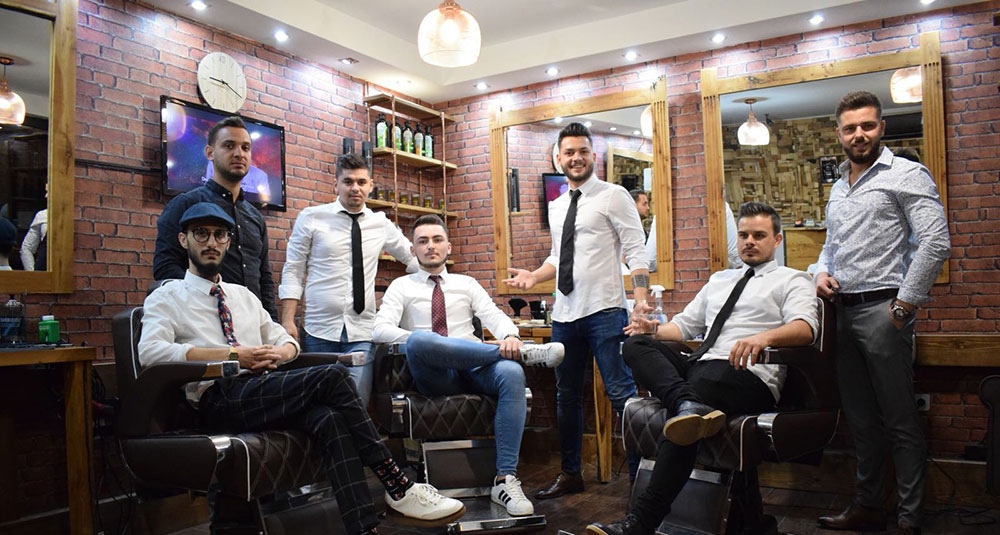
How to run a successful barbershop starts with defining the business correctly. A barbershop is a licensed grooming business that combines haircutting, shaving, and beard work under a barber license rather than a broader cosmetology license. State barber boards regulate the trade market by market, and a shop's performance gets measured against nearby competitors rather […]