




Not every coach changes lives. A small number do it consistently, build real businesses around it, and get paid well for the work.
The most successful life coaches share more than a good coaching methodology. They have figured out the niche, the business model, the client acquisition, and the credibility signals that make clients choose them over thousands of competitors.
This article covers all of it. Who the top coaches are, what niches produce the best results, how ICF certification factors in, and what separates coaches who thrive from those who stay stuck at 3 clients and a half-built Instagram page.
What Is a Successful Life Coach
A successful life coach is a trained professional who guides clients toward specific personal or professional outcomes, measured by real change, not just positive feedback at the end of a session.
The distinction matters. Most people picture a motivational speaker or a therapist when they hear "life coach." Neither is accurate. A therapist works with the past. A motivational speaker works a room. A life coach works with what a client wants to build next, and holds them accountable for getting there.
What "successful" actually means in this profession:
- High client retention rate, meaning clients stay, refer others, and return for new programs
- Measurable outcomes tied to goal setting, habit formation, and performance improvement
- A reputation built on documented client transformation, not just credentials
- Revenue that reflects demand, not desperation pricing
99% of coaching clients report being satisfied with their experience, according to ICF data. That sounds impressive until you realize satisfaction does not equal transformation. The coaches who stand out are the ones whose clients actually hit their targets.
There is also a scope problem worth knowing about. Life coaching is largely unregulated. Anyone can call themselves a coach. This means "successful" carries real weight as a filter. The coaches covered here have built credibility through client outcomes, audience reach, institutional recognition, or all three.
Life Coach vs. Therapist vs. Consultant
The core difference: therapists diagnose and treat, consultants prescribe solutions, coaches ask questions and hold space for the client to find their own path forward.
| Role | Focus | Time Orientation | Regulated? |
|---|---|---|---|
| Therapist | Mental health, trauma, diagnosis | Past and present | Yes, licensed |
| Consultant | Expertise delivery, problem-solving | Present | Varies by field |
| Life Coach | Goal achievement, personal growth | Present and future | No formal regulation |
The gray area between coaching and therapy trips up both practitioners and clients. A good coach knows when to refer out. That boundary awareness is, honestly, one of the markers of a coach who takes the work seriously.
Successful Life Coaches You Should Know
Cynthia Santiago-Borbón, LCSW-R
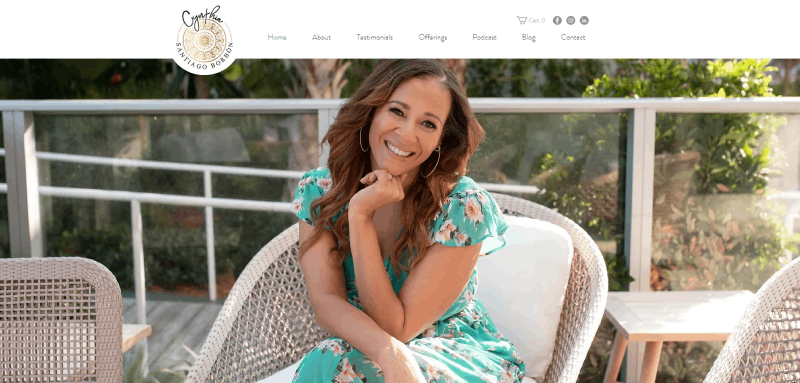 Cynthia Santiago-Borbón has been doing this work for over two decades. Her approach pulls from mindfulness, liberation, spirituality, and positive psychology.
Clients don't just set goals with her. They align those goals to something bigger.
Her therapeutic coaching has helped people find strengths they didn't know they had. That kind of depth in personal development coaching is genuinely rare.
Tracey Ward
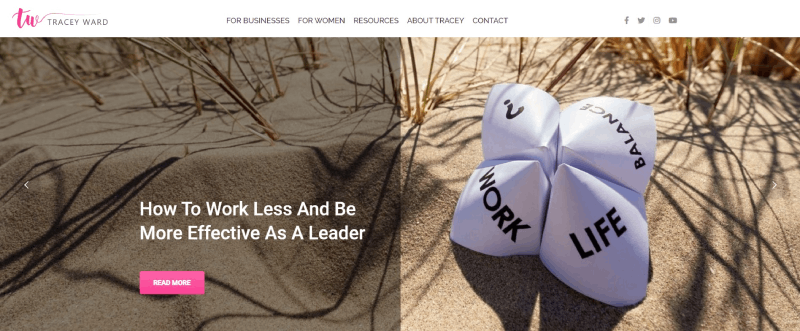 Tracey has 15 years of experience working specifically with professional women. Executives, corporate players, business owners. She's worked with them all.
Her core concept centers on silencing negativity and freeing one's inner voice. It works at home, at the office, anywhere really.
Her communication skills coaching has transformed how countless clients show up in every room they walk into.
Mayra Cardozo
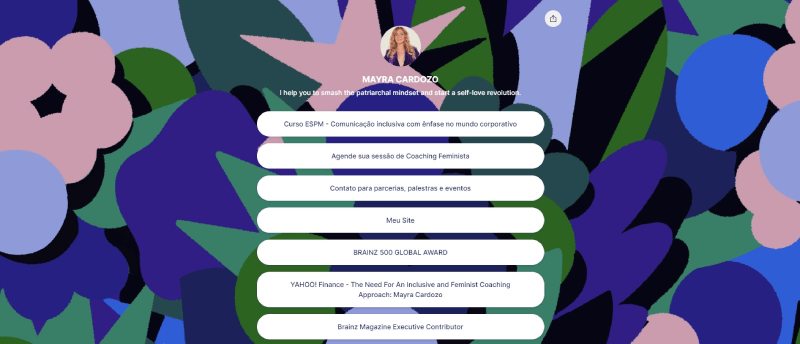 Mayra Cardozo is one of the most recognized transformational life coaches in Brazil, with a reach that extends well beyond it.
She specializes in feminist life coaching. Her work focuses on helping professional women break free from oppressive systems, including the internal ones they've built themselves.
That last part is what most people miss.
Evette Rose
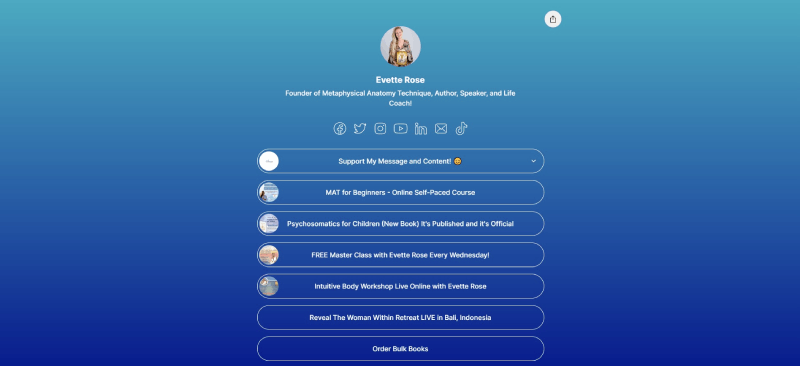 Life coaching isn't always about goals and productivity. Sometimes it's about healing.
Evette Rose is a trauma-release practitioner, author, and personal development teacher. She founded the Metaphysical Anatomy Technique, a method for resolving problems rooted in past trauma.
Her book, Metaphysical Anatomy, links emotional patterns to physical conditions. It's dense, practical, and genuinely different from anything else in this space.
Farrah Miller
 Farrah Miller is the founder of FM Wellness. She's a certified coach, nutritionist, Reiki master, and Beyond Quantum Healer.
She didn't arrive here easily. Childhood trauma and emotional pain shaped her path before she found her way through it.
For 11 years, she's been building a practice around spiritual- and science-based techniques. The result is a coaching business model that addresses mind, body, and soul together, not separately.
Amberly Lago
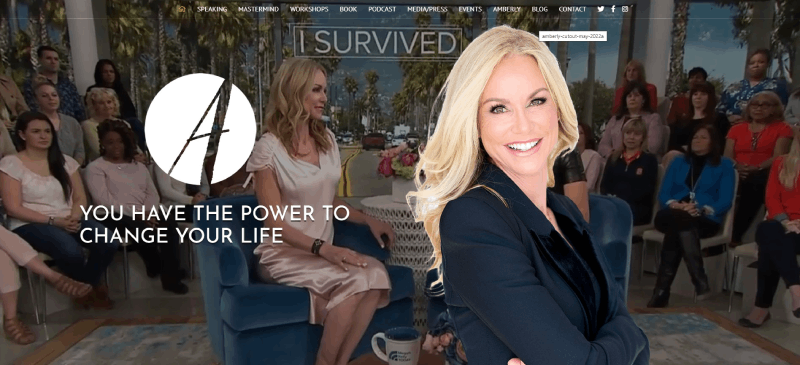 Amberly is a peak performance coach with 20+ years of experience. She works with athletes, entrepreneurs, and CEOs.
She's also a bestselling author, TEDx speaker, and podcast host. Her book True Grit and Grace is drawn from her own story, specifically how she turned a serious personal tragedy into a career built on resilience.
Her workshops on high-performance coaching and perseverance are some of the most concrete you'll find. No fluff, just tools that work.
Your success story starts with the best booking app for the job
Staying organized has never been easier.
You can now manage your business and grow your brand with a single, powerful software that keeps all of your appointments in line, your clients organized and your business booming.
Trafft is a coach booking software that is perfect for business owners who need to streamline their booking experience both for their staff and their clients.
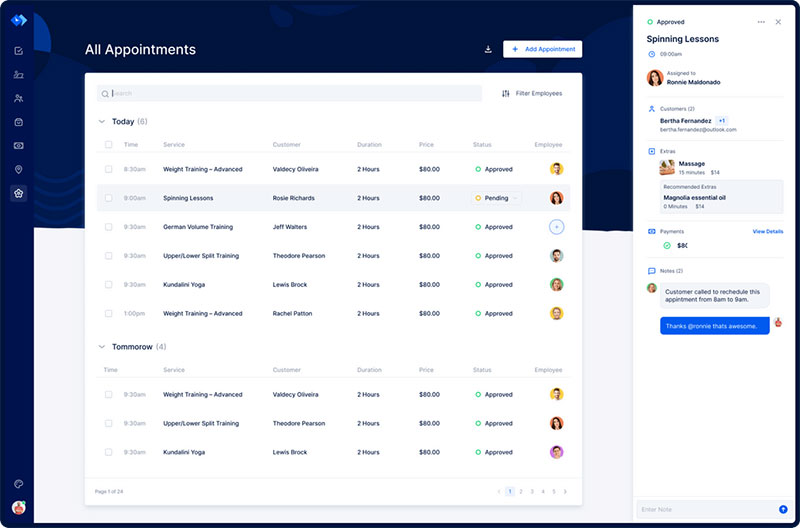
Trafft handles everything for you, even sending automated email or SMS reminders to your clients. No-shows? Not anymore!
The Trafft booking software adapts to different industries for a blissful online booking experience and employee management.
Want to know more? Check out Trafft's awesome features to see what you are missing.
Rich Litvin
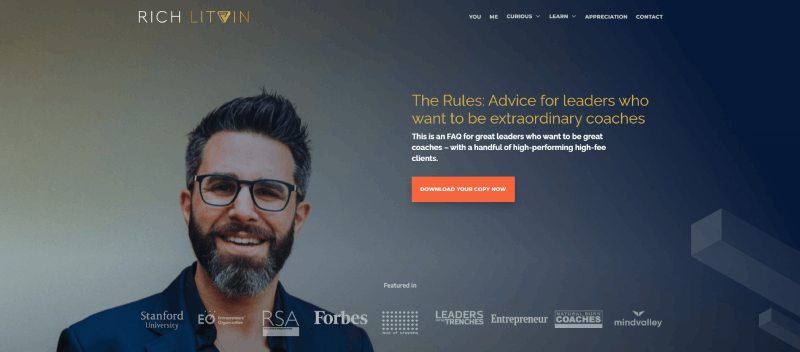 Rich Litvin runs a consultancy that works with a very specific type of client. We're talking athletes, Hollywood directors, special forces agents, presidential candidates, and serial entrepreneurs.
His agency operates out of London and Los Angeles.
He's the co-author of Prosperous Coach and founder of the Four Percent Club, a group reserved for the top four percent of coaches globally. That's not a marketing line. It's how he runs it.
Daniel Mangena
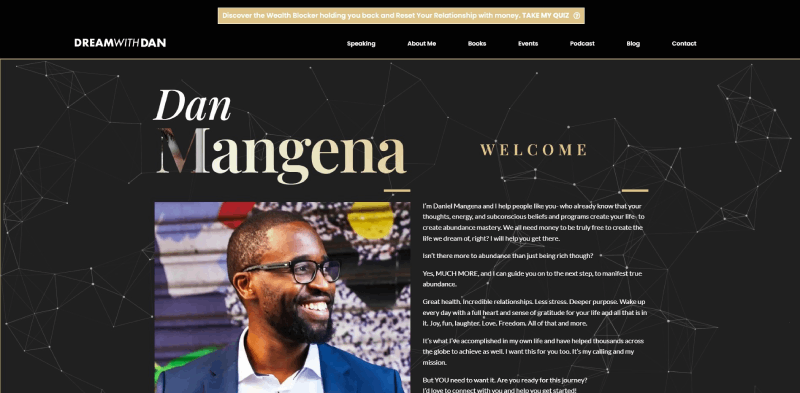 Daniel's entry point into this field was a crisis line for suicidal people. That background shapes everything he does.
He built a system called the "Beyond Intention Paradigm," structured around four steps toward goal achievement. His life coaching business draws directly from his own experience with adversity.
He also runs the Do It With Dan podcast, speaks at international conferences, and publishes across multiple platforms. The volume of output is hard to keep up with, honestly.
Iyanla Vanzant
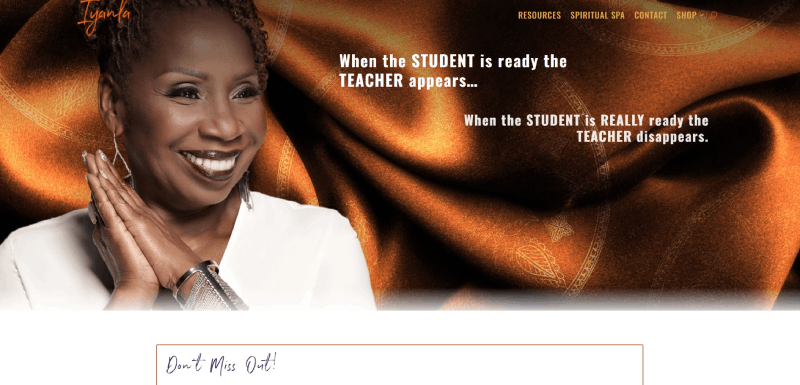 Iyanla Vanzant is one of those coaches whose reach goes far beyond the coaching industry.
Known for her reality show Fix My Life and multiple bestselling books, she's appeared on The Oprah Winfrey Show more than once. Millions of people have followed her work for decades.
Her coaching style is direct and emotionally grounded. Not for everyone, but deeply effective for the people it resonates with.
Kimberly Olson
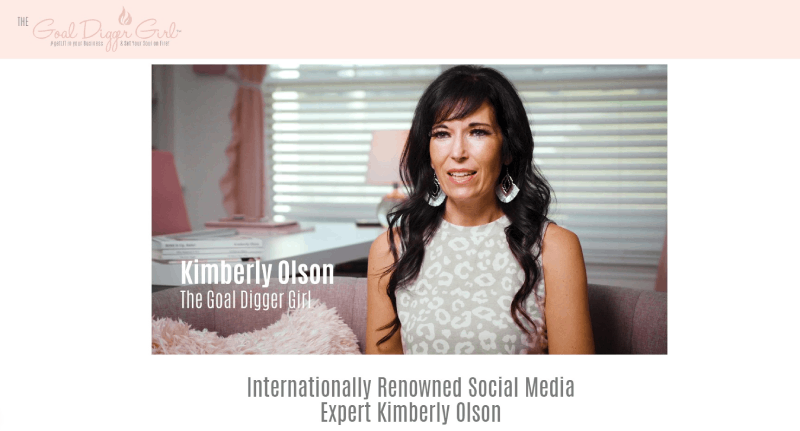 Kimberly Olson is the CEO of The Goal Digger Girl and one of the top social media voices in the life coaching business space.
She's been ranked as the second top recruiter in the world. She's written three Amazon bestsellers. She's been listed among the top 25 podcast hosts.
The numbers speak for themselves.
Chi Quita Mack
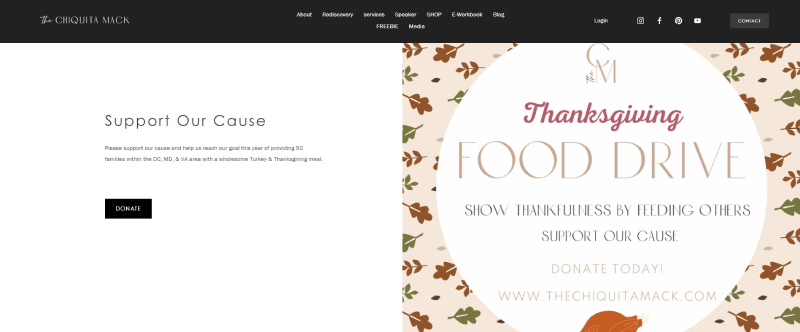 Chi Quita Mack has one of the more unusual backgrounds on this list. She's a social worker, author, U.S. Army major, wife, and mother.
She holds a Bachelor of Science in biology and a master's degree in social work.
She built a coaching practice specifically for women, a space focused on empowerment, inner strength, and one-on-one coaching sessions that actually go somewhere.
Aren Singh Bahia
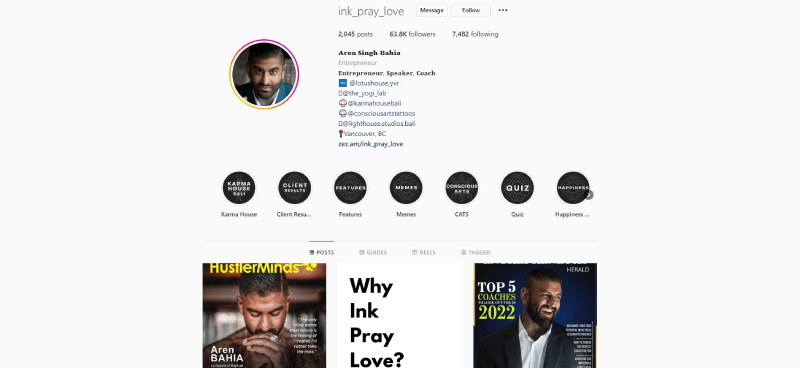 Aren grew up in Vancouver and found his spiritual footing in Asia. Practicing yoga and meditation in the Himalayas gave him a framework he still uses with clients today.
In 2016, he restarted his life and launched five businesses in five years.
Part of the proceeds from his work has gone toward helping underprivileged children in Bali. The coaching is meaningful, but so is what it funds.
Steve Chandler
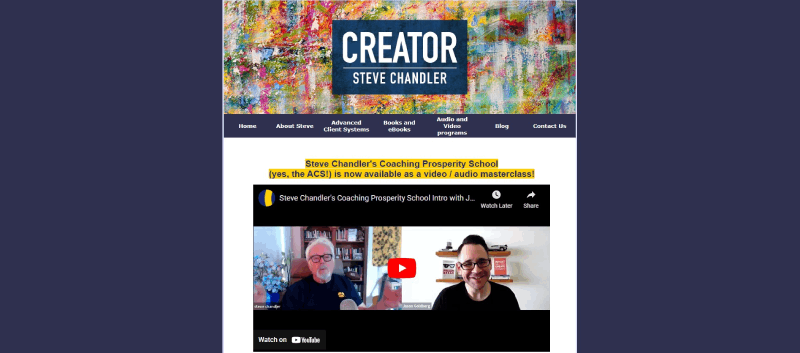 Steve Chandler has written 30 books. They've been translated into 25 languages.
He's been active in the coaching profession for over two decades and has been recognized as one of the most powerful public speakers in the country.
Beyond his own clients, he created a school called Coaching Prosperity to train other coaches. That kind of investment in the profession itself is something you don't see often.
Michelle Valenzuela Wolf
 Michelle is an entrepreneur, marketer, and certified coach with three kids. She founded Empower House, which integrates a wellness community with business support.
Her focus is on women navigating major life transitions. Career pivots, personal reinvention, spiritual growth. She handles all of it with a value-driven approach that doesn't feel corporate.
Mario Che
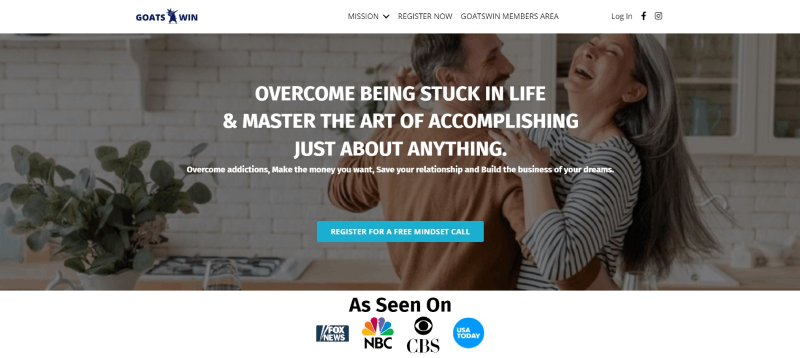 Mario Che runs a coaching practice that covers a wide range: relationships, financial success, addiction recovery, fitness, and entrepreneurship.
He built a profitable business from scratch himself, which gives his advice real weight. He's also a transformational expert and a talented dancer, which is not a combination you hear often.
His newest project, "GOATSWIN," is worth keeping an eye on.
Tanya Armstrong
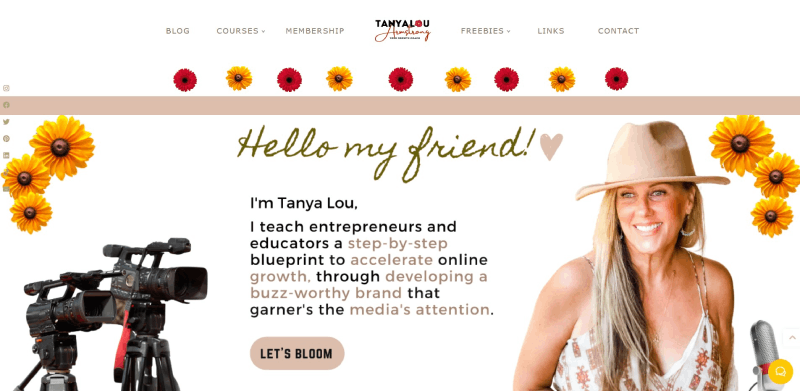 With an impressive career track, Tanya is a public speaker, influencer, and recording artist. She is one of the top professional life coaches you can find.
She built her coaching business after losing her daughter-in-law and mother to cancer. That experience is the foundation of everything she does.
She helps clients run a successful business while building a fulfilling personal life. You can find her in the course "Life by Design Mastermind" or book individual sessions.
Marie Forleo
 Marie Forleo is a well-known life and business coach. She prioritizes self-care and trains people to hold a positive mindset even in demanding corporate environments.
Keeping a fresh perspective is central to her personal growth coaching approach.
She hosts the show MarieTV and wrote the book Everything Is Figureoutable. Both are worth your time.
Alison Canavan
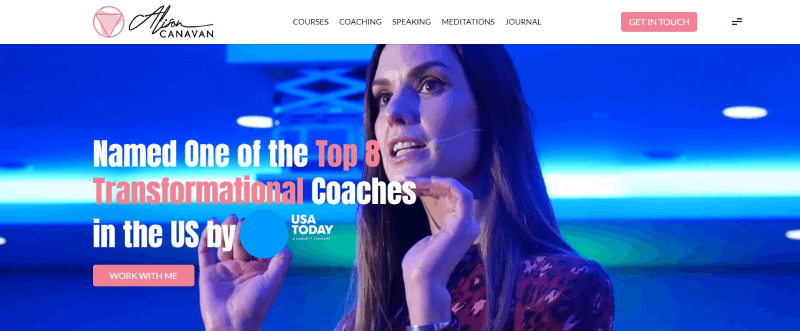 Alison is a meditation teacher who understands the real power of mindfulness. Her practice isn't surface-level wellness. It goes deeper than that.
She created "Wellbeing in the Skies," a series designed for Ireland's airline to help people manage their fear of flying. It also covers anxiety prevention and gratitude practices.
During the 2020 quarantine, her online workshops, including "Envision Your Life" and "Keeping Energy and Immunity High," helped many people get through a difficult period.
Kacey Kingry
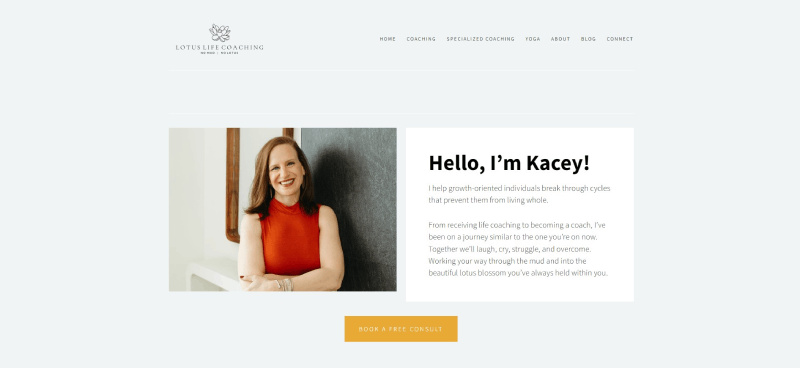 Kacey is committed to mental and emotional transformation, but what makes her practice stand out is the connection to physical movement. Yoga is at the center of her work.
She used ancient yoga teachings to make real changes in her own life. That's the same foundation she brings to every client session.
Her sessions motivate people to have powerful, lived experiences, not just insights.
Dr. Corrie Block
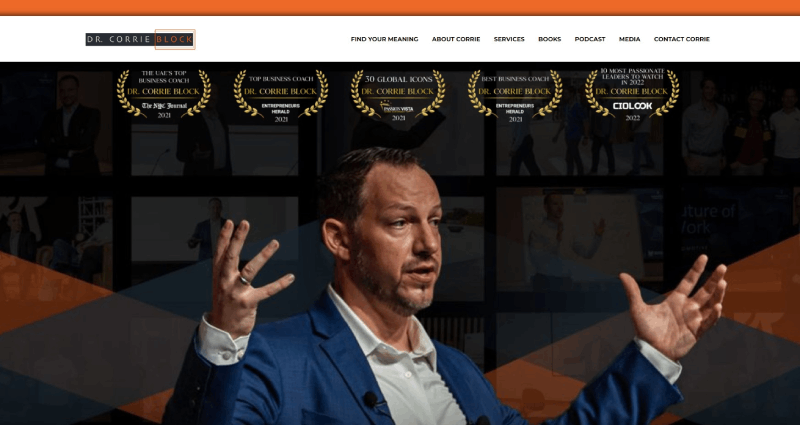 Known for his books Spartan CEO and Business Is Personal, Dr. Block has dealt with failure and bankruptcy himself. He's risen again every time.
His main goal is to help others succeed in the business world. Connecting mission, vision, and values is where his executive life coaching does its best work.
Changing daily behavioral patterns is the core of his method. The results back that up.
Tash Leath-Hamilton
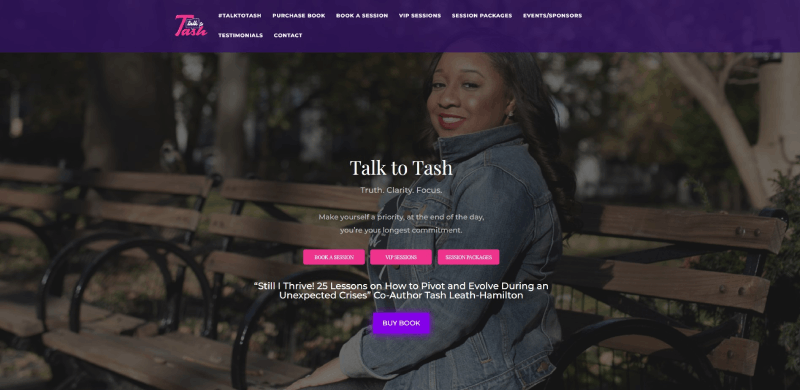 A keynote speaker and author, Tash offers something unusual: she can read a person's past, present, and future just from hearing their voice, looking at a photo, or reading a short text.
High-end clients like Towanda Braxton and Bryson Tiller have worked with her. She serves people in both business and entertainment.
More than 300 people consult her every month. That kind of demand doesn't happen by accident.
Melissa Wiggins
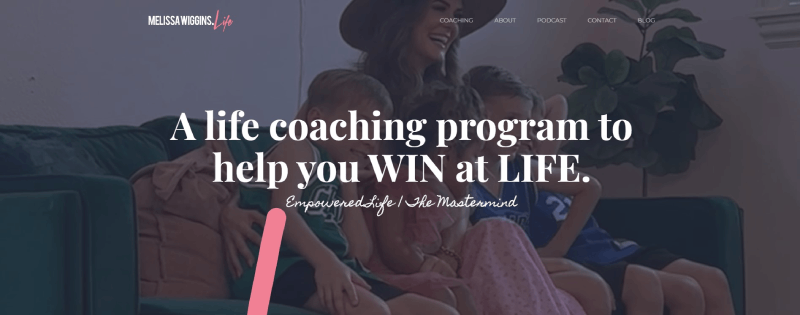 Originally from Scotland, Melissa Wiggins now lives in the United States. She holds a law degree and later became a certified coach focused on empowering women worldwide.
She's won multiple Women of the Year awards and appeared on Fox News. In 2021, she was recognized as one of the leading influencers in her field.
Her career has taken her across the country as a speaker. Self-knowledge is at the core of everything she teaches.
Bob Proctor
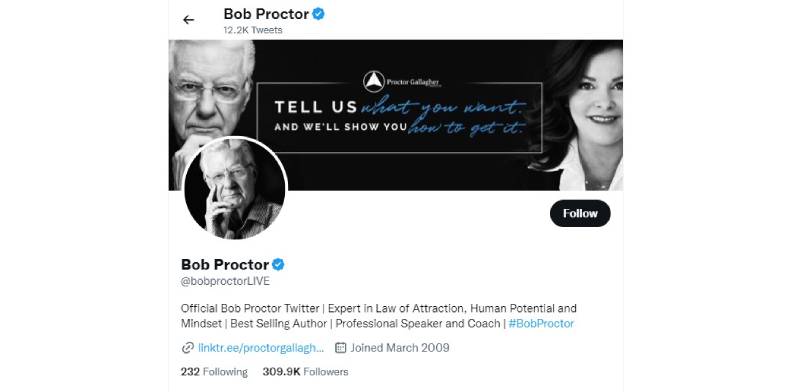 Bob Proctor considered himself a philosopher. His book You Were Born Rich is a New York Times bestseller.
Originally from Canada, he became known worldwide as one of the speakers in the film The Secret. His work on mindset coaching and belief systems influenced an entire generation of coaches.
Lindsay Rose
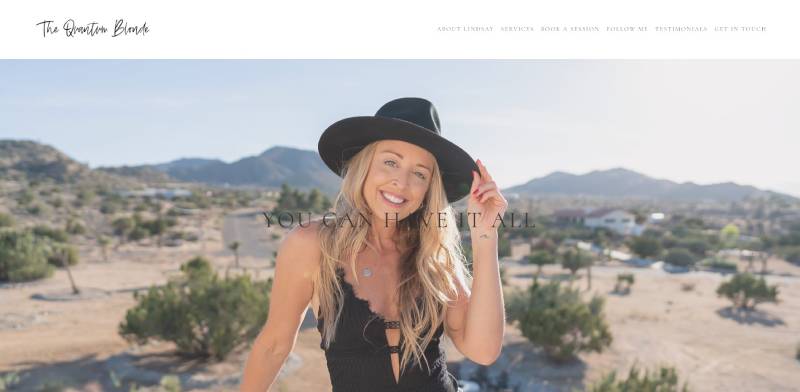 Five years ago, Lindsay Rose left her corporate life behind to pursue coaching. She survived childhood trauma and an abusive relationship. That experience is not a footnote. It's the foundation.
After her own self-healing journey, she developed a method that frees the mind from limitations and negative thinking.
She teaches people to unlock their potential. Not as a concept, but as a daily practice.
Martha Beck
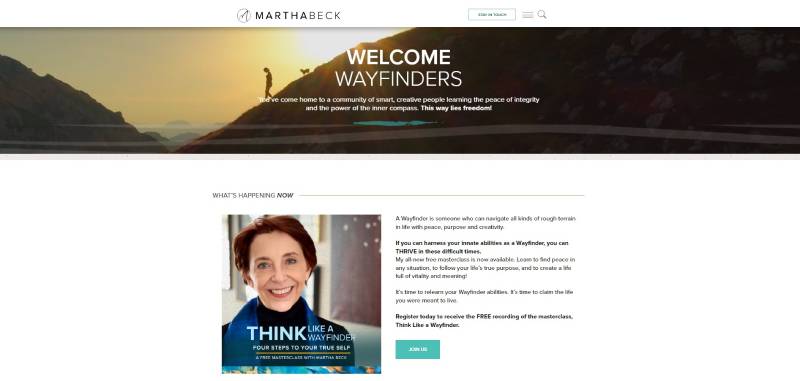 Martha Beck is the coach who coached Oprah Winfrey. Oprah described her as one of the smartest women she has ever known.
Beyond running a training program, Martha has also written a bestseller. Her thinking on life purpose and self-discovery is some of the most grounded in the industry.
Atousa Raissyan
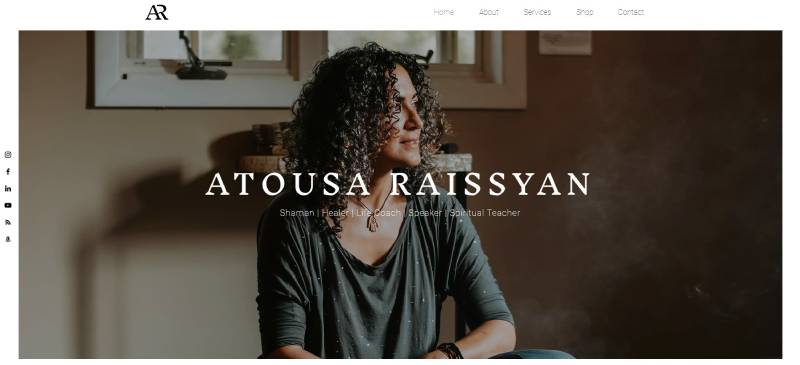 Her clients call her a life-changing person, an intuitive healer, and a guiding light. Atousa is a certified coach specializing in transformational healing.
For seventeen years she has worked in this space, with an impact that extends beyond the individual to the whole family. Many clients come to her after trying other coaches unsuccessfully.
Wellness is at the center of her holistic coaching practice. That's not a tagline. It's her entire framework.
Brigit Hegarty
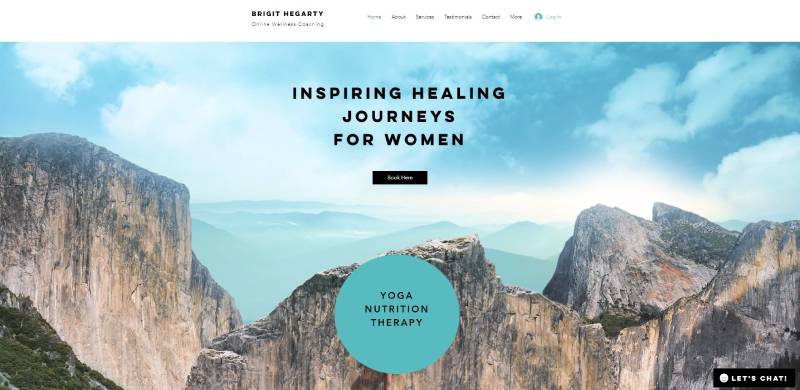 Founder of Two Tone Yoga, Brigit is internationally recognized. She's a yoga teacher, a mom, and someone who takes a genuinely holistic approach to coaching.
Many businesswomen have come to her burned out. They leave with restored self-confidence, vitality, and energy.
If stress and anxiety are the problem, she's a strong place to start.
Kharina Kharran
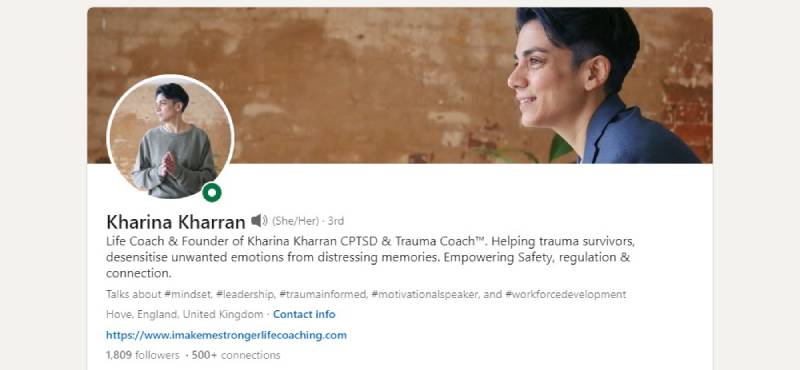 Kharina specializes in Complex-PTSD and helping trauma survivors. Her practice removes anxiety generated by trauma and helps people rewire their responses to it.
She experienced childhood trauma herself. That's what makes her approach credible, not just technically but personally.
Her coaching methodology maintains a careful balance between technique and individual need. Firm, but human.
Gia Helena
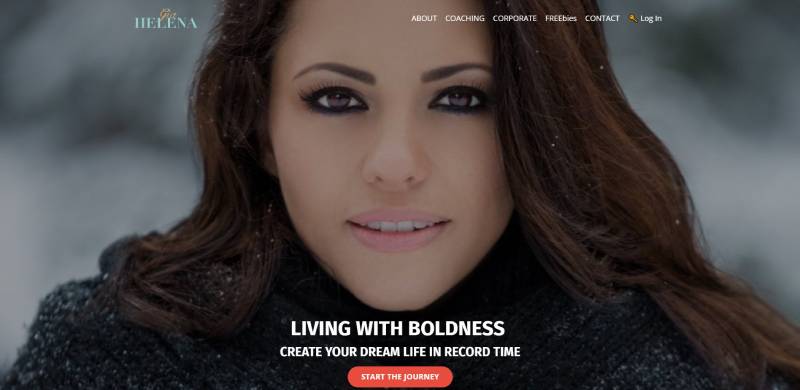 Gia is a psychologist and one of the top executive coaches in her field. Her experience spans 16 years of teaching leadership and high performance, particularly to women.
She teaches what she calls "Living With Boldness." Her training has taken place at the headquarters of BMW, Coca-Cola, Adidas, and Reebok.
That's a client list that tells you everything you need to know.
Dr. Divi Chandna
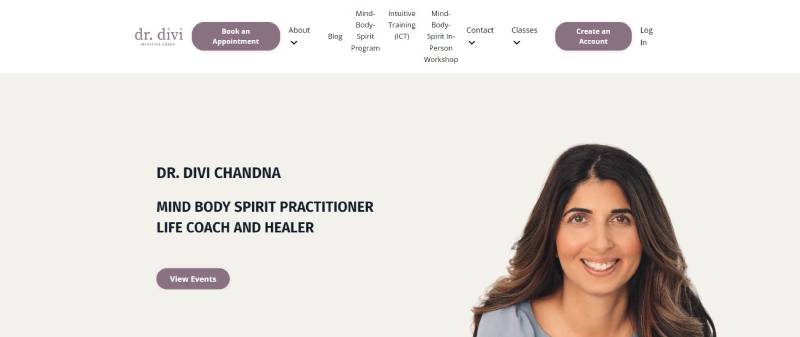 Dr. Divi works across health, wealth, and life enjoyment. Intuition is at the center of her practice, and she considers it a superpower that every person already has.
Her goal is to help people turn hustle into ease. She's appeared on TV multiple times and spoken at TEDx. She also wrote an Amazon bestseller.
Her approach to mindset coaching is built around the idea that new opportunities open when you stop fighting yourself.
Michael Neill
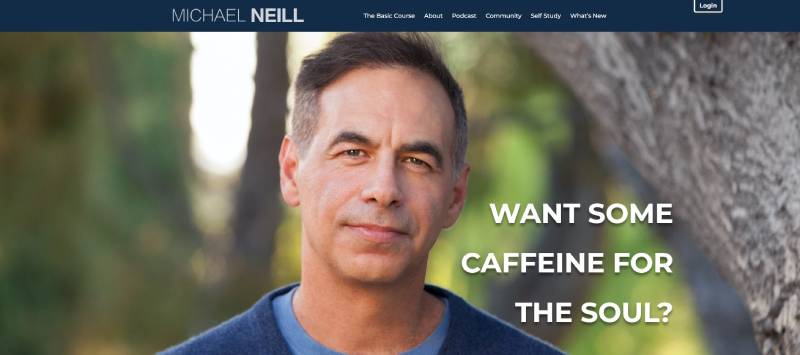 Michael Neill has written five bestselling books. Two of the most well-known are The Space Within and The Inside-Out Revolution. His work has been translated into 17 languages.
His coaching career includes advising royalty, CEOs, and celebrities. Not many coaches can say that with a straight face. He can.
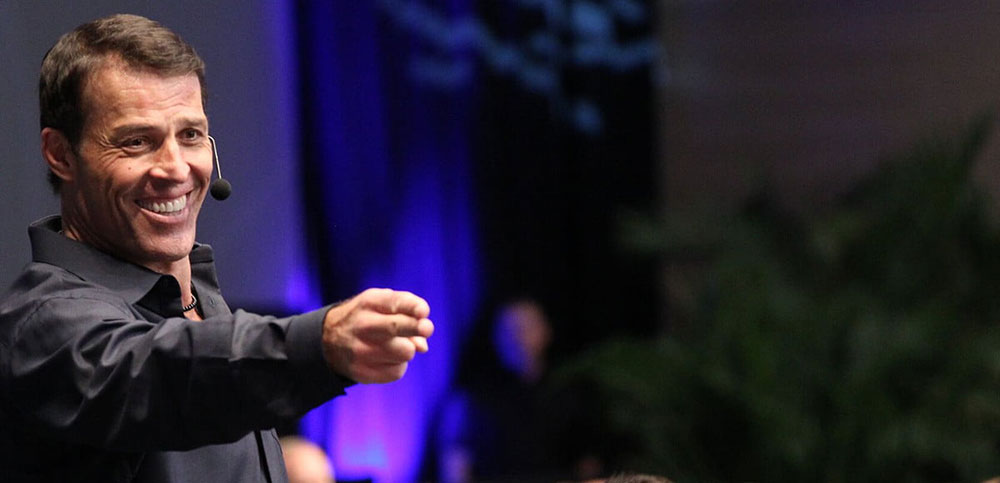
Tony Robbins
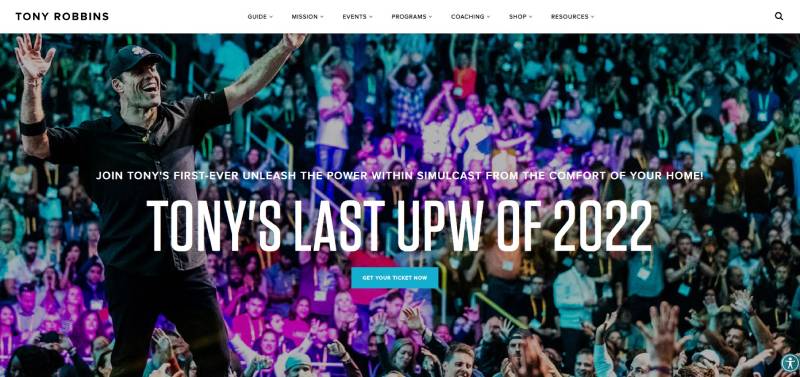 Tony Robbins helps people find their true passion and realize their potential. Limiting beliefs are his specialty to dismantle.
Besides being a bestselling author, he's an entrepreneur and philanthropist with over 40 years of experience. He's worked with more than 50 million people.
His work on goal setting strategies and personal transformation has shaped the entire coaching industry. Like it or not, most coaches today were influenced by him in some way.
Sophia Casey, PCC
 Sophia has a unique ability for acceleration and execution. She works with high-profile clients on leadership, productivity, and communication.
After her husband had brain surgery, her family faced serious challenges. Instead of stepping back, she built her coaching business through it.
Her journal Ease and Flow is one of her standout accomplishments. It helps people connect to their lives and find the courage to keep going.
Kevin Thornton
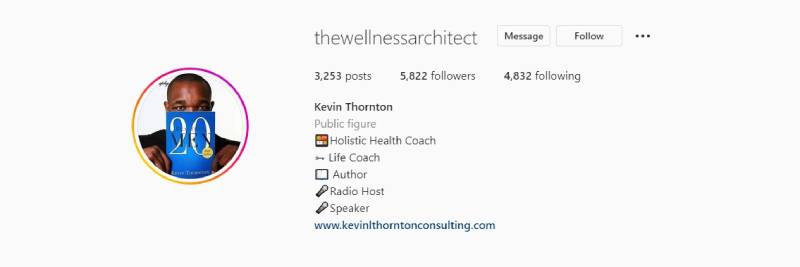 Kevin holds a bachelor's degree in health administration and a master's in psychology. But his real turning point came in 2011 when Iyanla Vanzant coached him.
He got his life coaching certification in 2013 and has been committed to educating and inspiring others ever since.
In 2015, he joined the Integrated Institute of Nutrition. His belief is simple: with the right support, people can become the best versions of themselves.
Coaching Niches That Produce the Most Successful Coaches
The coaching industry now lists over 85 recognized specialties, according to CoachCompare. Most of them are viable. But some produce significantly more successful coaches than others, for reasons tied directly to client willingness to pay and clarity of outcome.
Niches that connect directly to financial outcomes or career advancement tend to command the highest fees. Clients who can draw a line between coaching and a tangible result are more willing to invest.
Executive and Leadership Coaching
This is the highest-earning niche by a wide margin. The global executive coaching market was projected at $103.6 billion in 2025, growing toward $161.1 billion by 2030 (Future Market Insights).
Executive coaching rates typically run $300 to $500 per hour. Some senior practitioners charge significantly more.
Why this niche produces so many successful coaches:
- Corporate clients pay without friction when ROI is demonstrated
- Repeat engagements are common as organizations invest in leadership pipelines
- One retained corporate client can replace ten individual clients in revenue
The tricky part is that breaking into executive coaching requires credibility before the first contract. Most successful coaches in this space come in with a corporate background, not a coaching background.
Health and Wellness Coaching
Health and wellness coaching is the fastest-growing niche at an 11.35% CAGR through 2031 (Mordor Intelligence). In 2024, the U.S. market alone was valued at $3.13 billion.
Medicare's 2024 decision to begin reimbursing preventive coaching was a significant shift. It signals that institutional recognition of coaching's health value is no longer limited to the corporate wellness world.
High-ticket wellness programs targeting executives, biohackers, and chronic condition management are the most profitable sub-niches here. General fitness coaching, not so much.
Career Transition Coaching
Career coaching held 27.25% of the life coaching market share in 2025 (Mordor Intelligence). Post-2020 disruption to the job market, accelerated AI-driven role changes, and the normalization of mid-career pivots all pushed demand in this direction.
| Niche | Market Driver | Fee Range | Client Type |
|---|---|---|---|
| Executive coaching | Leadership development, corporate spend | $300–$500/hr+ | C-suite, senior managers |
| Health and wellness | Preventive health, burnout, longevity | $50–$300/hr | Professionals, biohackers |
| Career transition | Job market disruption, AI role shifts | $100–$250/hr | Mid-career professionals |
| Mindset and performance | Entrepreneurship growth, peak performance | $3,000–$10,000/program | Entrepreneurs, athletes |
Relationship coaching is worth mentioning separately. It covers far more than couples work. Communication skills, professional relationships, conflict resolution. The demand is real, and the referral rate in this niche tends to be higher than most.
Certifications and Training Behind Top Life Coaches
85% of coaches hold a certification, according to ICF data. That number is high. Whether certification actually predicts coaching quality is a different question.
The honest answer: credentials build trust with clients who are doing due diligence. They do not guarantee that a coach can hold a session that produces real change. Both things are true at the same time.
ICF Certification Levels
The International Coaching Federation remains the global standard for coaching credentials. Three credential levels exist:
- ACC (Associate Certified Coach): 60+ hours of accredited training, 100 hours of client coaching
- PCC (Professional Certified Coach): 125+ hours of training, 500 hours of client coaching
- MCC (Master Certified Coach): 200+ hours of training, 2,500+ coaching hours
The NBHWC (National Board for Health and Wellness Coaching) had certified over 37,000 coaches by 2023, largely in the health niche. It sits alongside ICF as a credible benchmark for that specific specialty.
Training Programs Worth Knowing
Not all certification programs carry the same weight with clients or within the industry.
Co-Active Training Institute (CTI): One of the most respected programs globally. The co-active coaching model is widely taught in other programs and referenced throughout the industry.
iPEC (Institute for Professional Excellence in Coaching): Long-running program, ICF-accredited, known for its Energy Leadership framework. Popular with coaches building business-focused practices.
Brendon Burchard's Certified High Performance Coach program: Not ICF-accredited, but carries weight with clients already familiar with Burchard's methodology. Shows how personal brand can substitute for institutional credentialing.
Coaches Who Succeeded Without Formal Credentials
Jay Shetty built a globally recognized coaching and media brand without traditional certification. Marie Forleo has no formal coaching credential either. Their authority came from demonstrated results, audience trust, and content quality.
This does not mean credentials are not worth pursuing. For coaches targeting corporate clients or healthcare-adjacent niches, ICF certification is close to table stakes. For coaches building audience-based businesses, the certification matters far less than the methodology.
The real variable: what your specific client expects to see before they sign a contract.
How Successful Life Coaches Build Their Client Base
There are 167,300 estimated active coaches globally in 2025, nearly double the 2019 figure (ICF/CoachRanks). That means every acquisition channel is more competitive than it was five years ago. The coaches who build full rosters are not doing anything secret. They are just consistent in the right places.
73% of coaches saw their revenue increase in 2023 (ICF). The ones who did not were largely the ones relying on a single client source.
Speaking and Live Events
Live events remain one of the most efficient lead generation tools in coaching. Not just for names like Robbins who sell out arenas. Local speaking, conference appearances, and workshop facilitation all create a compressed version of the trust-building process that normally takes months through content alone.
Why it works faster than other channels:
- In-person credibility transfers quickly
- Audience self-selects based on topic, so intent is already there
- Natural follow-up mechanism (collect contact information, offer a follow-on session)
Content and Audience-First Channels
Most of the coaches profiled earlier built their reach through content before they built their client base. Podcast, YouTube, LinkedIn. Jay Shetty's OnPurpose podcast reached the global top 10 before his coaching programs scaled. Burchard had 300 million content views before GrowthDay launched.
72% of coaches now serve clients outside their home country (ICF, 2024), a shift made possible almost entirely by digital content and virtual delivery.
Channels by client type:
- LinkedIn: Best for executive and career coaching, direct B2B access
- YouTube and podcasts: Long-form trust, best for personal development and wellness niches
- Instagram and TikTok: Audience growth fast, conversion to high-ticket slower
Referrals at Scale
Word-of-mouth is not passive. The coaches who get consistent referrals are the ones who ask for them, create referral incentives, and build relationships with adjacent professionals (therapists, financial advisors, HR leaders) who encounter the same client problems from a different angle.
Brooke Castillo, founder of The Life Coach School, built one of the largest coaching certification businesses in the U.S. partly through an affiliate model. Former students became referral sources. That is referral architecture, not just organic word-of-mouth.
Business Models Used by Top Life Coaches
One-on-one sessions are where most coaches start. They are not where the most successful coaches stay. The ceiling on hourly billing is a time ceiling, and every coach eventually hits it.
The average hourly rate for life coaches in North America is $244 per session (ICF, 2023). Multiply that by a full client load and subtract overhead, and the math makes clear why scalable models matter.
Group Coaching Programs
Group coaching is the most common first step beyond 1:1 work. One coach, multiple clients, same time slot. The revenue per hour goes up significantly without proportional increases in workload.
Typical structure: 8 to 12-week cohort, weekly group call, supplementary materials, community access. Price range depends heavily on niche. Mindset and performance programs can run $3,000 to $10,000 per participant.
The Coachgenie 2025 group coaching survey found growing demand for intensive, goal-oriented programs over open-ended ongoing engagements. Clients want defined outcomes and timelines, not indefinite coaching relationships.
Online Courses and Digital Products
Burchard's 20+ online courses, Forleo's B-School, Castillo's certification program. These are all productized versions of coaching methodology. The value: they run without the coach's active time after creation.
Evergreen vs. launch model:
- Evergreen: Always available, driven by organic search and paid ads, steady income, lower urgency
- Launch-based: Enrollment windows, higher urgency, typically higher revenue in short bursts, more stressful to operate
Most established coaches run both. The course or program sells year-round; the launch creates a revenue spike two or three times a year.
High-Ticket Offers and Corporate Contracts
High-ticket 1:1 coaching (think $25,000 to $100,000+ annual retainers) and corporate training contracts are the two models that produce the most revenue per engagement.
51% of companies with strong coaching cultures report higher revenue than competitors (Human Capital Institute). That stat is what corporate sales conversations are built on.
BetterUp, the corporate coaching platform, reached a $4.7 billion valuation in 2025 after raising $300 million in Series E funding. CoachHub generated $231.2 million in revenue in 2024. Both show what happens when coaching methodology meets enterprise sales infrastructure.
Revenue diversification is the pattern. Book deals, speaking fees, mastermind programs, certification licensing. The coaches who build lasting businesses treat each revenue stream as a separate product, not a side effect of their coaching work.
What Clients Look for in a Successful Life Coach
75% of clients expect their coach to be certified before they commit to working with them (IACC, 2024).
That stat matters, but it does not tell the whole story. Certification is the floor, not the ceiling. Once a client has filtered for credentials, the decision comes down to specificity, proof, and fit.
Specificity of Results Over Vague Transformation Language
Clients are more skeptical than they were five years ago. With over 4.7 million coach profiles on LinkedIn as of 2024, they have seen enough vague promises about "unlocking potential" to tune them out completely.
What actually converts a prospect into a client:
- A clearly defined outcome ("get promoted to VP within 12 months" vs. "reach your goals")
- A named methodology or framework, not generic coaching language
- Evidence of the coach having lived the problem they are solving
78% of clients in the 2024 ICF Snapshot Survey cited career-related challenges as the top reason they sought coaching. Those clients want someone who understands the specific landscape, not a generalist accountability partner.
Social Proof Formats That Actually Work
Testimonials alone do not move high-ticket buyers. A written quote on a website is easy to fabricate and clients know it.
Stronger proof formats, ranked by effectiveness:
- Before-and-after case studies with specific outcomes and timelines
- Video testimonials from clients willing to use their real name and title
- Client logos or company affiliations (for B2B coaching)
- Third-party features: press mentions, podcast appearances, book deals
Pricing as a Trust Signal
Underpricing is a credibility problem, not just a revenue problem.
Clients in the premium coaching market (executives, high-earners, corporate buyers) use price as a proxy for quality. A $200/hour coach does not feel like the right choice for a $500,000 career decision. Coaches who price below market often attract the clients least equipped to commit to the work.
The average coaching fee in North America is $272 per session for individual practitioners (IACC, 2024). Experienced niche coaches consistently charge more. Knowing the benchmark is the starting point for pricing with confidence.
Red Flags Clients Use to Screen Out Coaches
47% of Millennials have worked with a coach, compared to 21% of Baby Boomers (ICF Consumer Awareness Study, 2022). The younger client segment has more experience, and more context for spotting coaches who are not credible.
Common red flags clients mention:
- No clear niche or "I help everyone with everything" positioning
- Aggressive free discovery call funnels with no upfront value
- Credentials from unrecognized programs with no coaching hours behind them
Personality fit matters too. Clients who stay for long engagements almost always cite the coach's communication style as the deciding factor, not the methodology.
Metrics Successful Life Coaches Track
Most coaches track revenue and client count. The ones who build durable businesses track a different set of numbers.
The average coach handles 13.5 active clients at any given time, per IACC 2024 data. Whether those clients stay, refer, and re-enroll is what separates a stable business from a constant acquisition treadmill.
Client Retention Rate
A retention rate above 75% signals a loyal client base and effective coaching delivery, according to industry benchmarks from coaching operations research.
Retention also drives revenue efficiency. Retaining an existing client costs far less than acquiring a new one. Coaches who track churn month over month spot problems in their programs early, before they hit the revenue line.
What drives retention in coaching:
- Clear progress markers at each session
- Program structure with defined milestones
- Regular check-ins between sessions
Net Promoter Score and Goal Achievement Rate
An NPS score of 30 to 50 is typical for online coaching services. Scores above 60 signal exceptional client satisfaction and predict strong organic referral growth (FinModelsLab, 2024).
Goal achievement rate is the other side of the same coin. A target of around 70% goal achievement across a client base reflects effective coaching interventions. Below that, the methodology or the client-coach matching needs review.
Revenue Per Client vs. Client Volume
Tracking total revenue without separating it by client source is a common mistake. It hides which programs are actually profitable.
| Metric | What It Measures | Healthy Benchmark |
|---|---|---|
| Client Retention Rate | Program stickiness and satisfaction | 75%+ |
| Net Promoter Score | Referral likelihood | 30–60+ for coaching |
| Goal Achievement Rate | Coaching effectiveness | ~70% of stated client goals |
| Revenue Per Client | Program profitability | $300–$500/month (individual) |
Coaches scaling group programs need to track session completion rate separately. A high completion rate (90%+) shows that clients are engaged and finding value. A low one is often the first sign a program needs restructuring before the next cohort launches.
Content Reach and Lead Conversion
For coaches building audience-led businesses, content metrics are business metrics. Not vanity metrics.
What to actually track:
- Discovery call booking rate from content (how many viewers convert to calls)
- Sales page conversion rate from discovery calls
- Cost per acquired client across channels
Coaches who track these numbers find their best-performing channel within 90 days. Those who skip this step spend years guessing.
Challenges Successful Life Coaches Still Face
Even the coaches earning well are not immune to the structural problems built into this industry. Some of these challenges get worse as a practice scales, not better.
Coaching remains largely unregulated. Utah's 2024 Sunrise Review documented over 200 practitioners operating with widely varying training levels, and the pattern holds across most states and countries (Mordor Intelligence, 2024).
Burnout from Over-Scheduling 1:1 Sessions
The irony is hard to miss. Coaches who help clients manage stress, build sustainable habits, and avoid burnout are themselves at high risk of burning out.
Close personal engagement with clients is emotionally demanding. Coaches without proper training in boundary management face this problem early. The Jay Shetty Certification School flagged it directly in 2024: untrained coaches are disproportionately at risk of burnout from client proximity.
How the most successful coaches manage it:
- Hard caps on weekly 1:1 session volume
- Group and digital programs replacing some 1:1 load
- Supervision or peer coaching for their own accountability
Market Saturation and Differentiation Pressure
With 232,000+ coaches active in the U.S. alone (Marketdata, 2025), the generalist positioning that worked in 2017 does not work anymore. Clients want specialists, not life coaches who "also do career stuff."
The market is actively rewarding specificity. Specialized coaches with clear niche focus can charge $300 to $500+ per hour. Generalists are competing on price, which is a losing game (LifeCoachingCertification.net, 2026).
Scope Creep into Therapy Territory
64% of organizational coaches reported their entities are investing more in employee well-being, and 60% of individual clients cite personal life issues as a reason for seeking coaching (ICF, 2024). These numbers push coaches into emotional territory that overlaps with therapy.
The legal and ethical risk is real. Coaches who work with clients experiencing trauma, clinical anxiety, or depression without referring out expose themselves to liability and risk causing harm.
The boundary is not always obvious. A client processing a difficult breakup is in coaching territory. A client showing signs of depression or suicidal ideation is not. Coaches who cannot tell the difference need more training, not more clients.
Platform Dependency and Pricing Confidence
Two distinct problems, both common.
Platform dependency: Coaches who build their audience entirely on Instagram or LinkedIn have no control over reach. Algorithm changes in 2023 and 2024 wiped out discovery for thousands of coaches overnight. Building an email list remains the only owned audience channel.
Undercharging: New coaches consistently price below market. The lack of industry-wide regulation means there is no official rate floor, and the temptation to attract clients through low pricing leads to businesses that cannot cover costs within the first year. Kavit Haria, coaching educator and CEO, noted in 2024 that pricing below costs is one of the most common reasons technically skilled coaches fail before gaining traction.
FAQ on Successful Life Coaches
Who are the most successful life coaches in the world?
Tony Robbins, Brendon Burchard, Martha Beck, Marie Forleo, and Jay Shetty rank among the most recognized. Each built distinct coaching methodologies, strong personal brands, and scalable business models beyond one-on-one sessions.
What makes a life coach successful?
A clear niche, measurable client outcomes, and a business model that scales. Client retention, referrals, and documented transformation results matter more than credentials alone.
How much do successful life coaches earn?
Top coaches earn well into six or seven figures annually. The average North American coach earns around $67,800 per year, but niche specialists in executive coaching regularly charge $300 to $500 per hour.
Do successful life coaches need ICF certification?
Not always, but 75% of clients expect some certification before hiring. ICF credentials build trust, especially with corporate clients. Coaches like Jay Shetty built authority through audience reach rather than formal credentialing.
What coaching niche is most profitable?
Executive and leadership coaching commands the highest fees. Health and wellness coaching is the fastest-growing. Career transition coaching holds strong demand. All three outperform generic personal development coaching in revenue potential.
How do successful life coaches get clients?
Through speaking engagements, long-form content (podcasts, YouTube), LinkedIn for B2B work, and structured referral systems. The most consistent client pipelines combine owned audiences with word-of-mouth from past coaching clients.
What business models do top life coaches use?
Group coaching programs, online courses, high-ticket masterminds, and corporate contracts. Brendon Burchard's GrowthDay platform and Marie Forleo's B-School are examples of productized coaching that generates income beyond hourly sessions.
What is the difference between a life coach and a therapist?
Therapists diagnose and treat mental health conditions. Life coaches focus on goal setting, accountability, and future outcomes. Coaching is unregulated. Therapy requires a license. The two serve different needs and different client situations.
How long does it take to become a successful life coach?
Most coaches take one to three years to build a stable client base. ICF's ACC credential requires at least 100 coaching hours. Building a reputation and consistent referral flow typically takes longer than completing any certification program.
Is the life coaching market oversaturated?
For generalists, yes. With 167,000+ active coaches globally in 2025, broad positioning struggles. Niche coaches with a defined audience and clear transformation outcome continue to grow. Specialization is the main differentiator in a crowded market.
Conclusion
This conclusion is for an article presenting the patterns behind coaches who actually build lasting practices, not just a client list.
The through-line is clear. Whether it's Tony Robbins selling out arenas or a niche career transition coach building a six-figure online program, the fundamentals are the same: deep specialization, owned audience, scalable revenue streams.
ICF certification helps. A strong methodology helps more. But neither replaces the work of building trust with a specific type of client over time.
The market rewards clarity. Peak performance coaching, executive leadership development, health and wellness, career pivots. Pick a lane, go deep, and measure what matters.
That is what separates the coaches people remember from the ones they scroll past.